DRH Lindersvold is an international education center in Denmark and a key partner of Humana Volunteers. Since 1995, it has welcomed people from diverse backgrounds who want to contribute to a more just and sustainable world.
Through hands-on learning, DRH Lindersvold helps participants develop the knowledge, skills and critical thinking needed to prepare for their international volunteer experience.
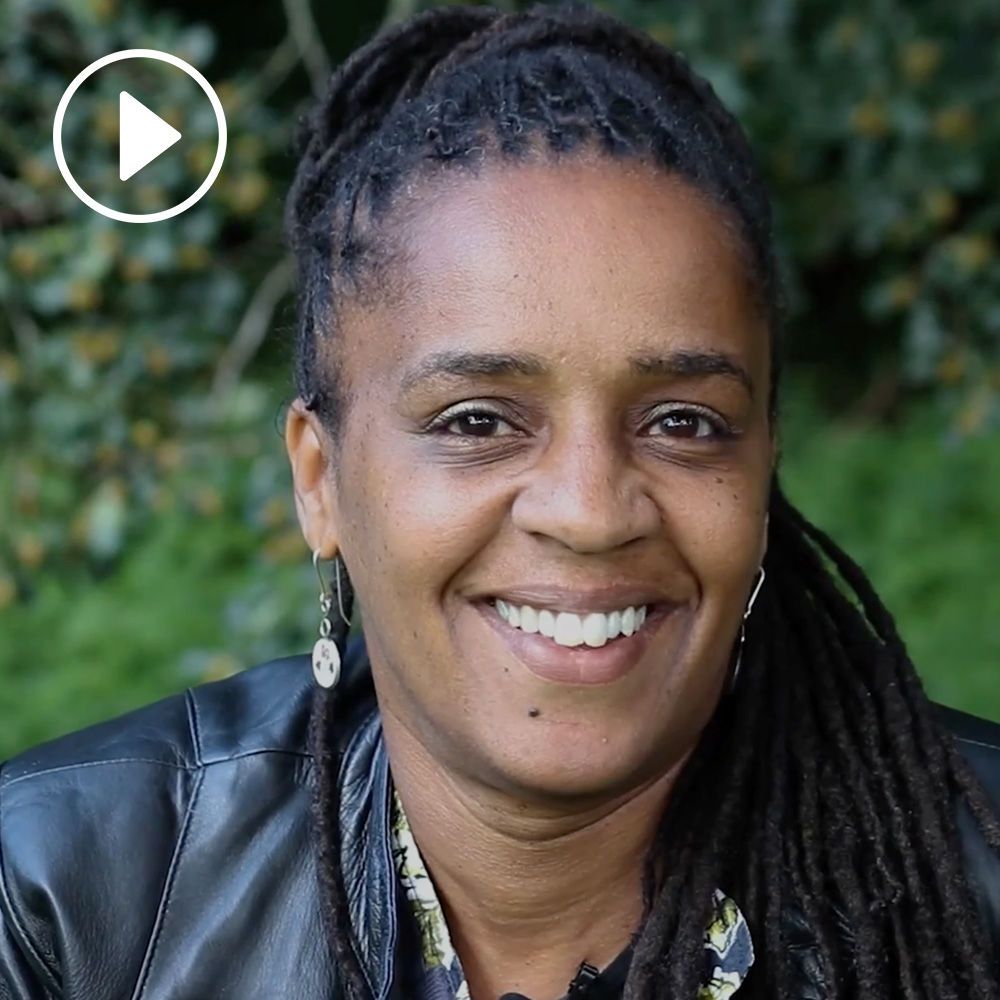
MEET TINA, THE HEADMASTER
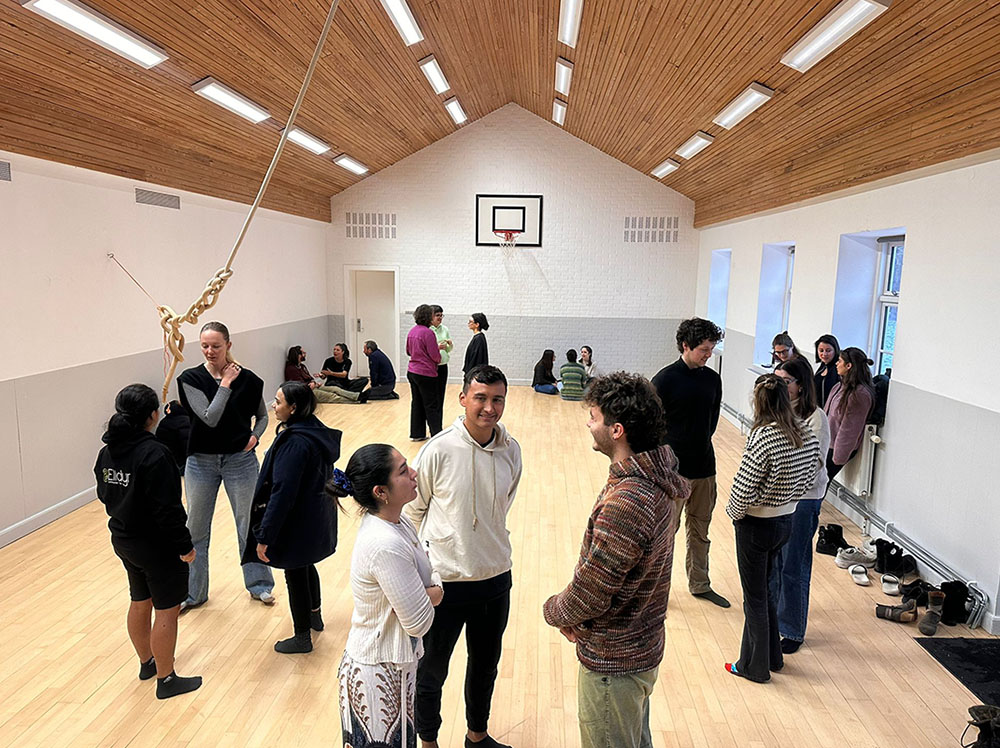
At DRH Lindersvold, participants live, learn, and work together as part of an international community.
Community life is an essential part of the training experience. Students and staff share the daily running of the school, taking responsibility for the place they live in and helping create a clean, welcoming, and supportive environment.
Through shared responsibilities, participants develop teamwork, practical skills, cooperation, and a strong sense of community. This experience prepares them for the project stage, where living and working with others is a central part of the volunteer journey.
During the training period, participants take part in different Responsibility Areas that help organize the daily life of the school. Some of these areas include:
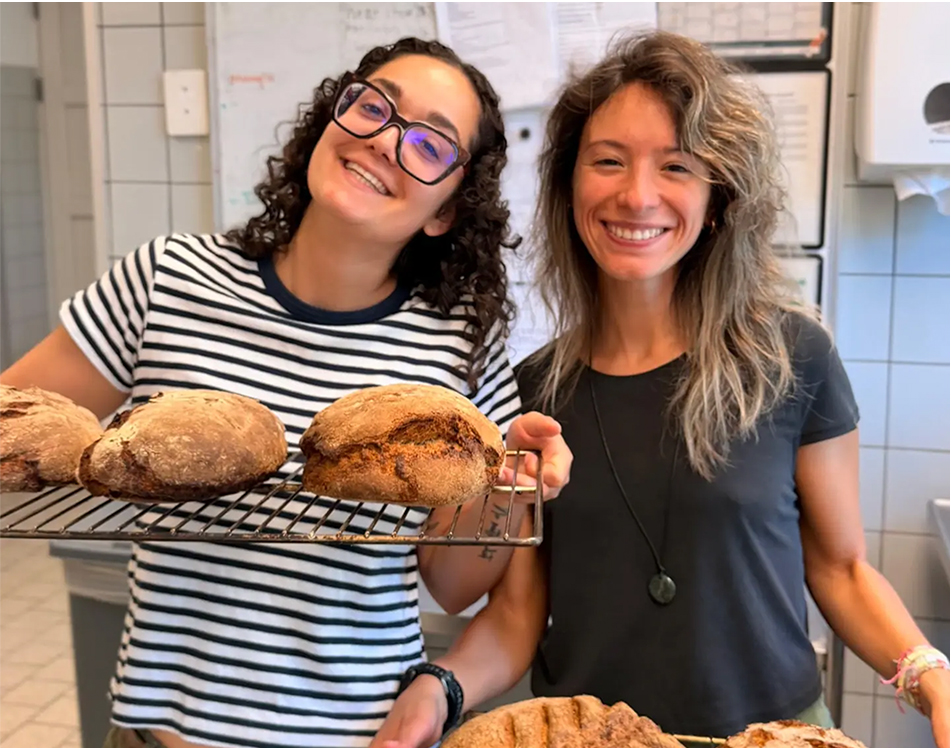
Supporting meal preparation, dishwashing, kitchen organization, and shared dining routines.
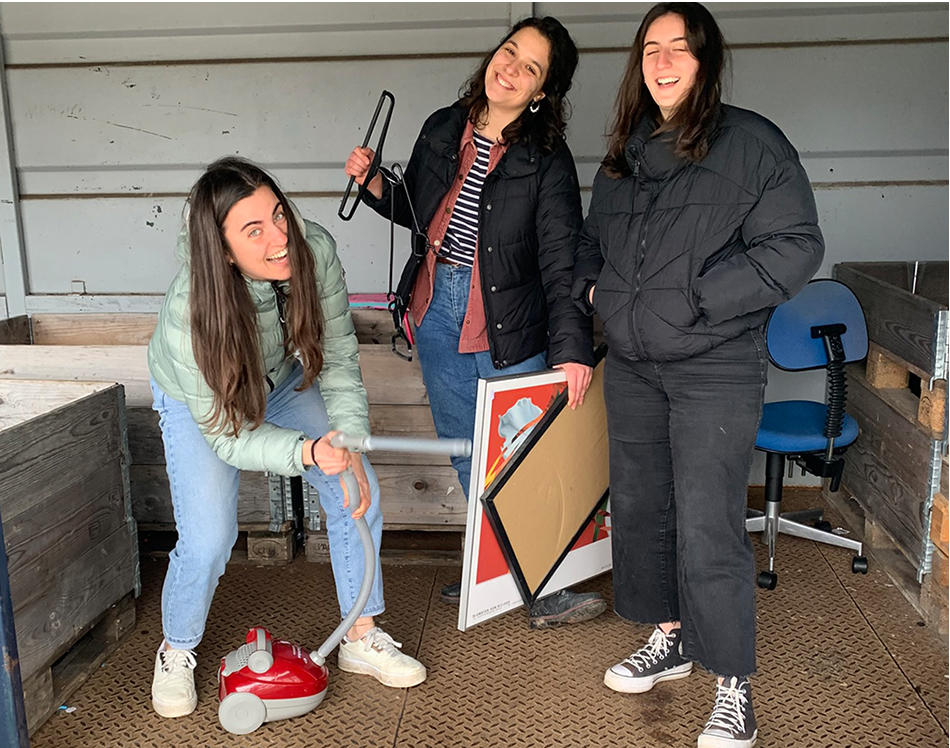
Taking care of common spaces and helping keep the school clean, organized, and welcoming.
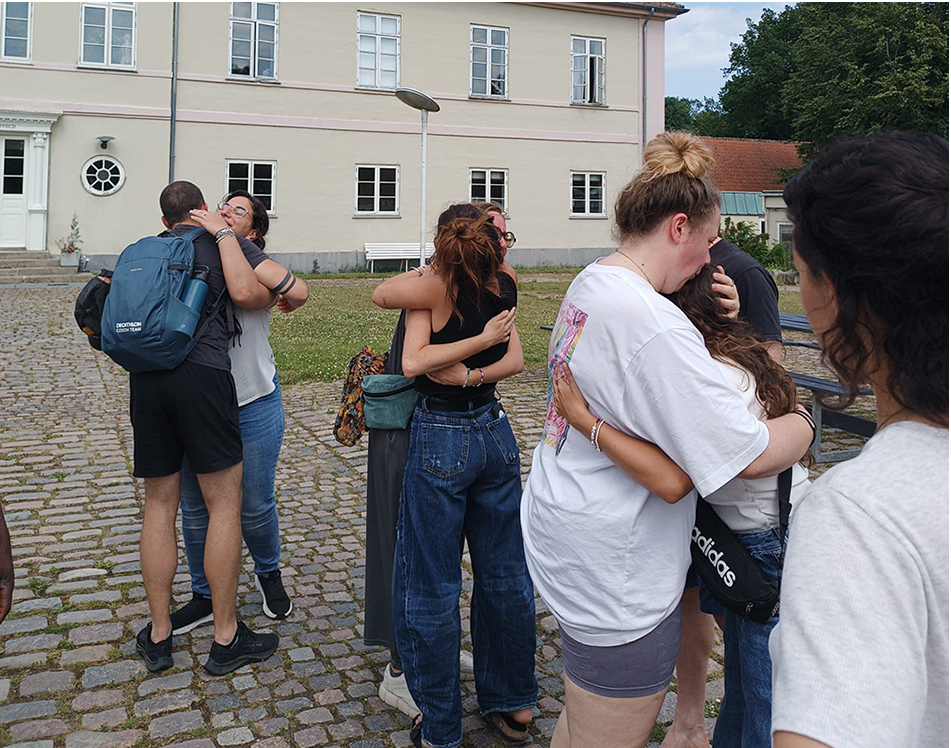
Preparing rooms and welcoming new guests, teams, friends, or family members.
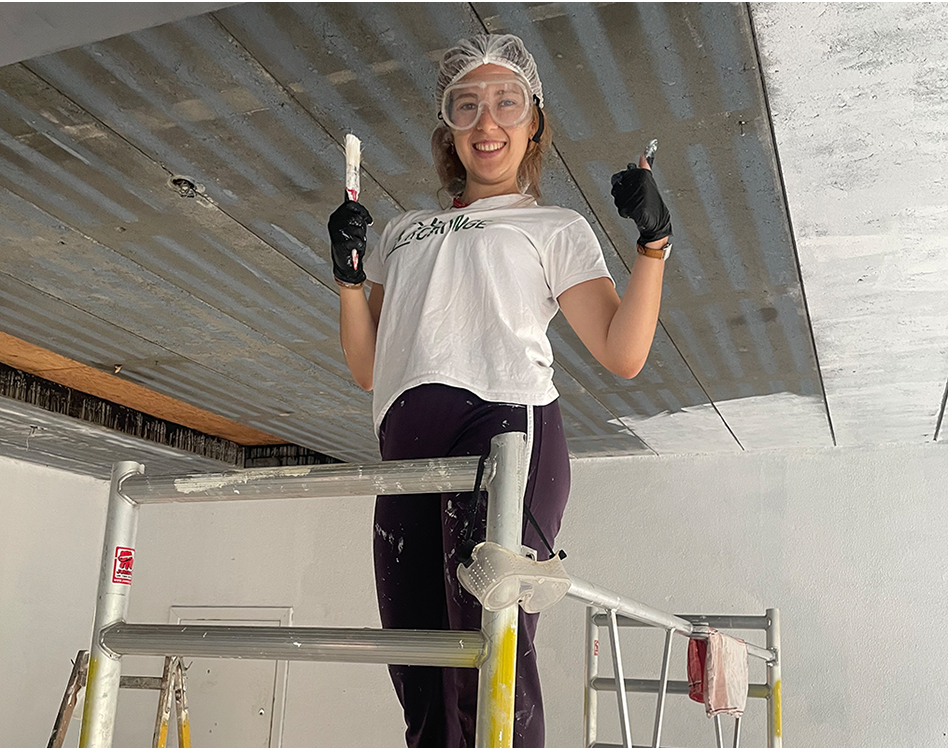
Helping with gardening, painting, repairing, organizing spaces, and other practical tasks around the school.
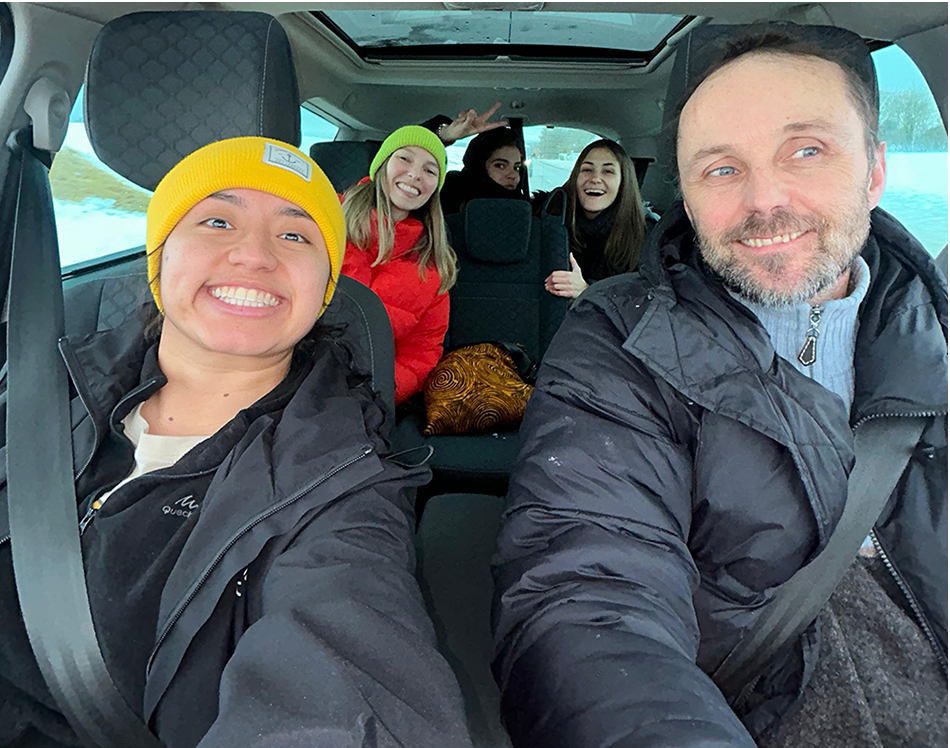
Organizing the use of the school car for team activities and supporting transport logistics.
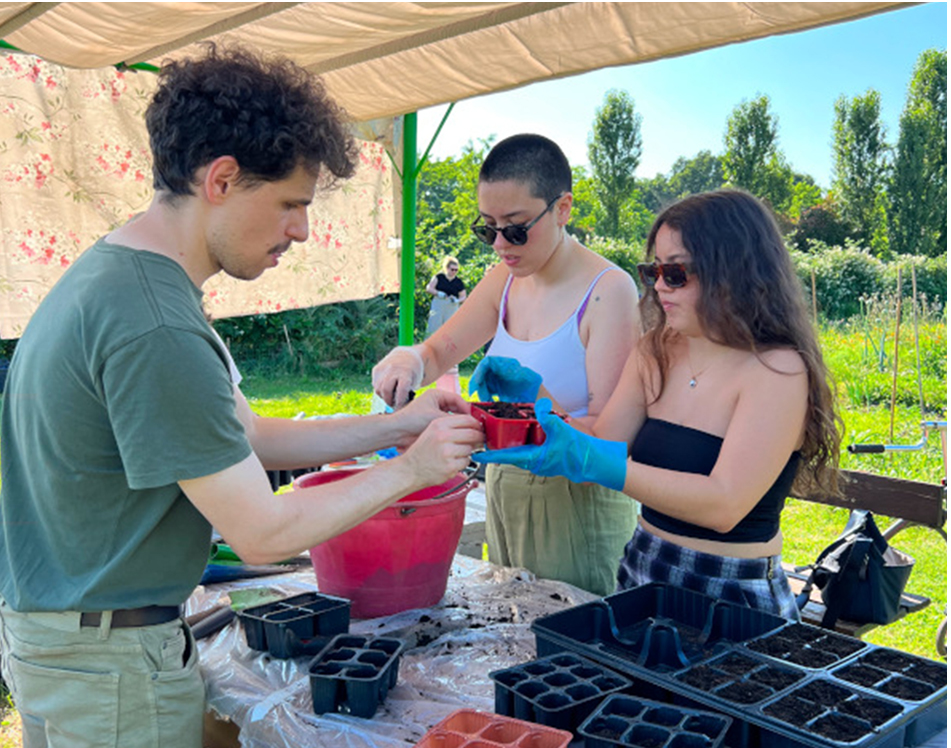
Supporting garden farming, reducing energy use, saving water and electricity, and promoting more sustainable habits within the school community.
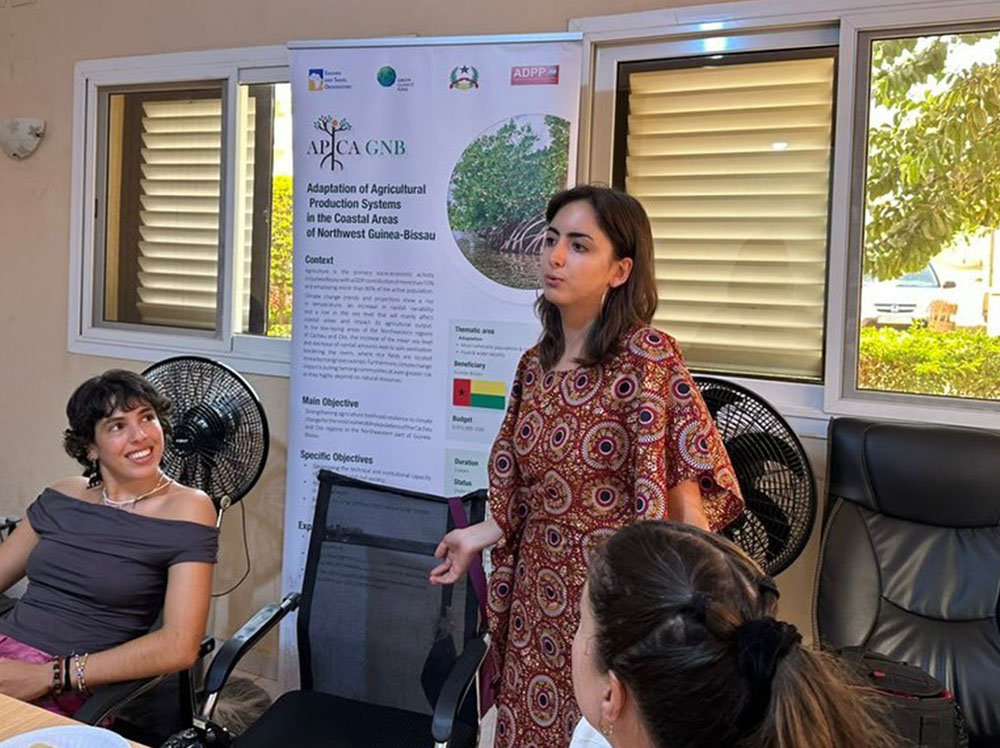
At DRH Lindersvold, learning is active, practical, and connected to real-life experience. The training is based on a learning by doing approach, where participants take responsibility for their own learning while working closely with their team and the school community.
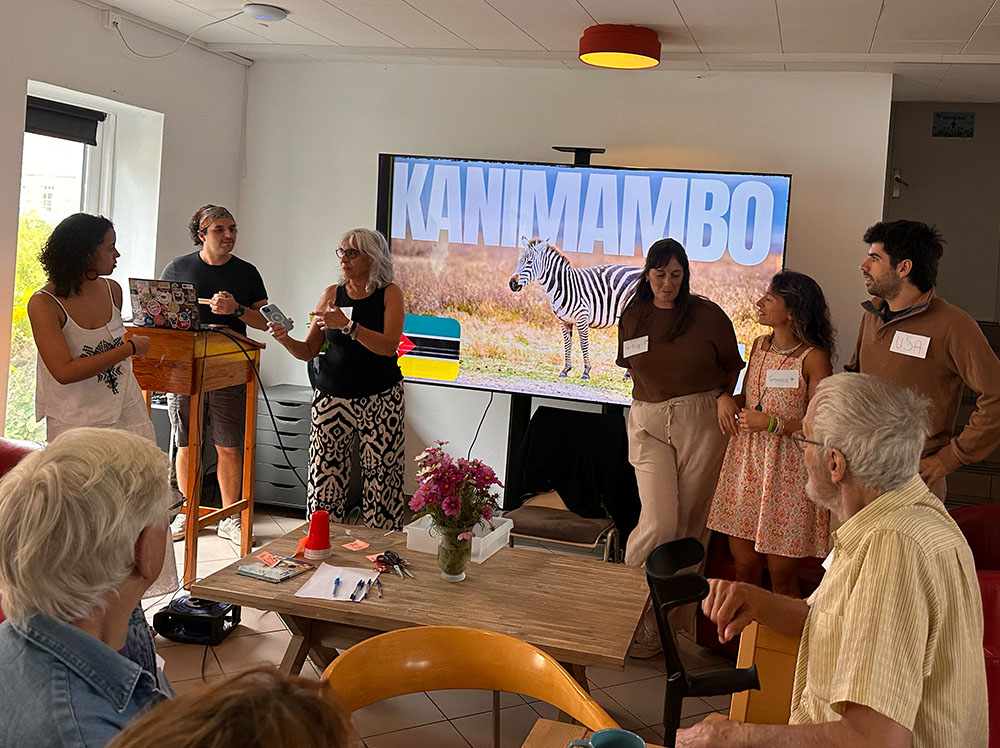
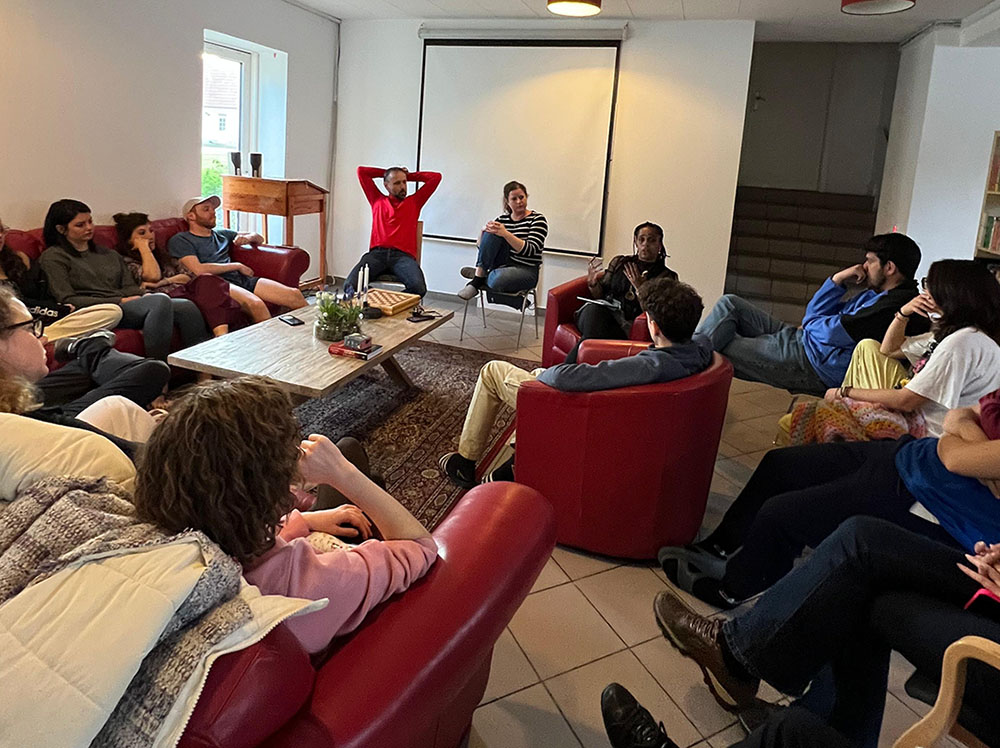
The training combines individual study, common courses, group discussions, documentaries, case studies, practical actions, community work, and reflection. This approach helps participants connect theory with action and develop skills such as teamwork, leadership, problem-solving, communication, and responsibility.
Throughout the training, participants explore global challenges such as inequality, climate change, poverty, international cooperation, public health, education, and sustainable agriculture. The goal is to prepare them to join community-based projects in Africa or Asia with knowledge, practical skills, and an open mind.